
N°13 Cement
A.01Lead Story · Sustainability
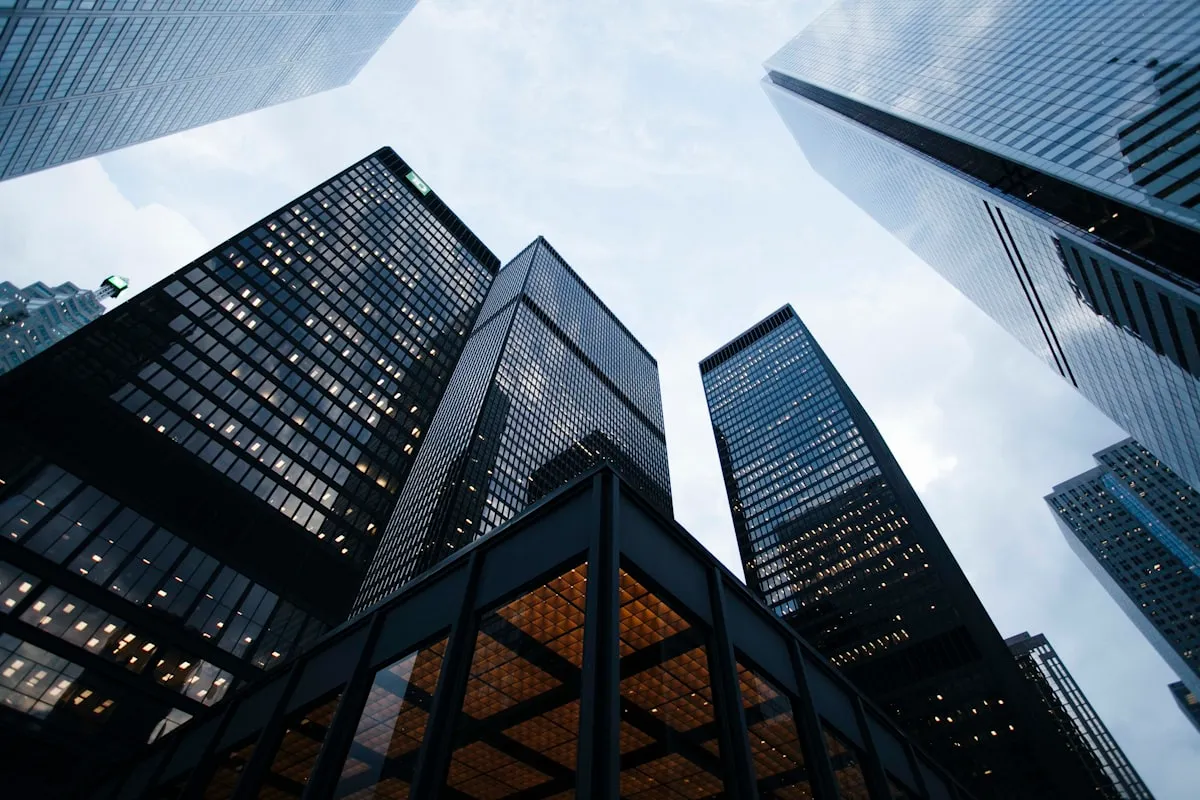
Inside Foster’s Singapore Towerz — a new vocabulary for cross‑laminated timber.
The 41-storey Marina Bay project replaces 7,400 tonnes of structural steel with engineered timber sourced from a single Tasmanian forest — a logistical feat that may quietly redefine how supertalls reckon with embodied carbon over the next decade.
- Height
- 41 st · 183 m
- Timber
- 7,400 t
- Read
- 14 min · 4 200 wd
0 10 20 30 m 1:200
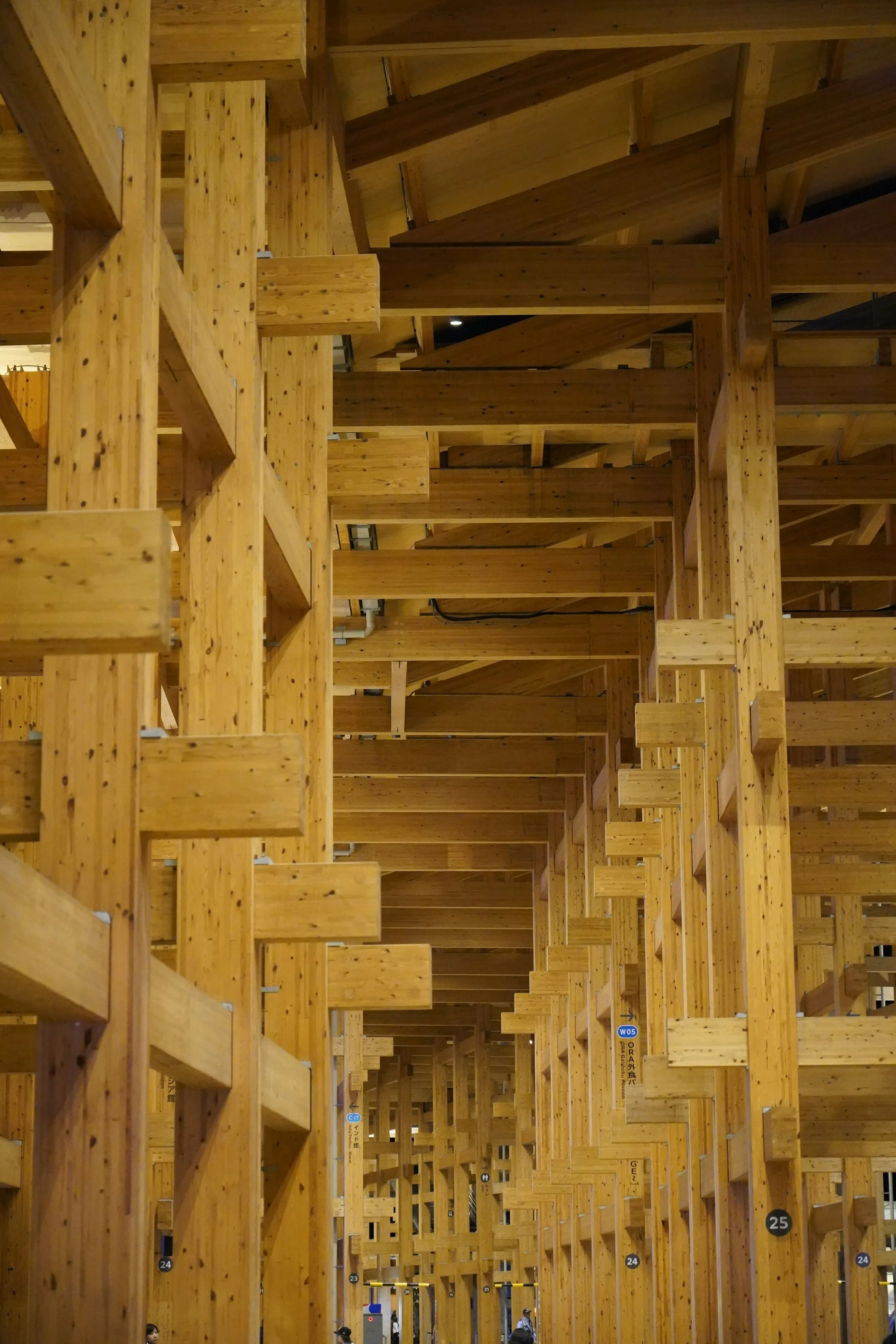
Marina Bay, Singapore — the west elevation, looking south. CLT sections were craned into place under monsoon-season tarpaulin between February and August.
© Sebastien Holm / Foster + Partners A.02 Latest Editorial
All Stories The Drafting Board
Issue N°04·271 — eight stories, seven editors, twelve hours of reporting, filed before 06:00 EDT this morning.
A.03 Green Building
GREEN.
Carbon, code, concrete — what's actually happening at the intersection of materials, regulation, and the built environment.
All Green
A.04 Longform · Case Study N° 04 271 / 09
Forty-One Storeys, Zero Structural Steel.
Detail · 04 / 09 A Field Report from Marina Bay.
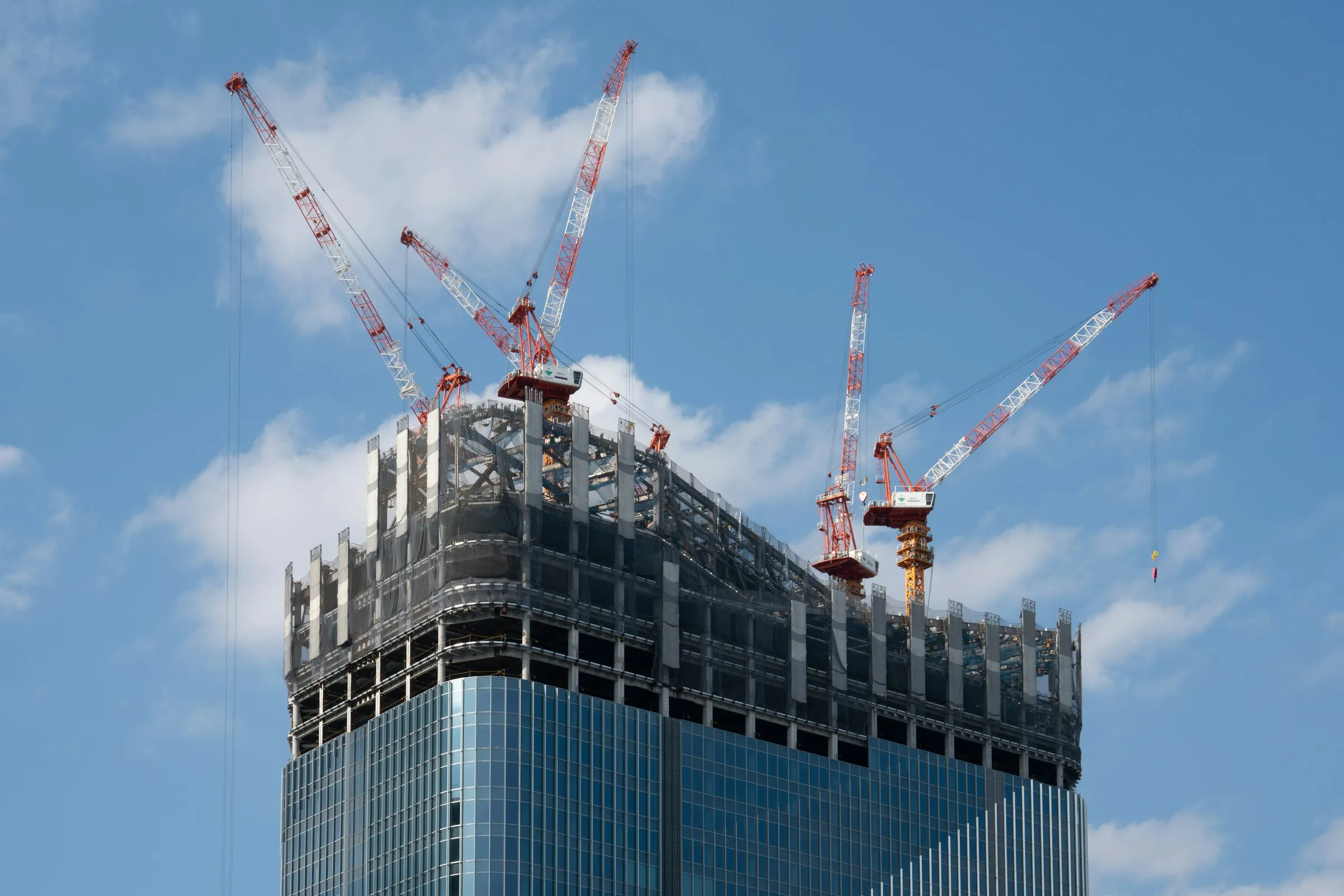
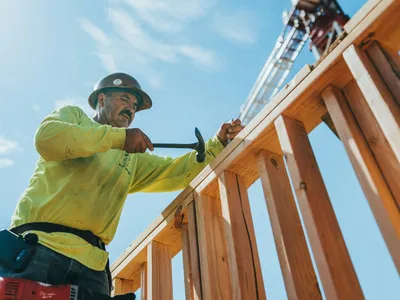
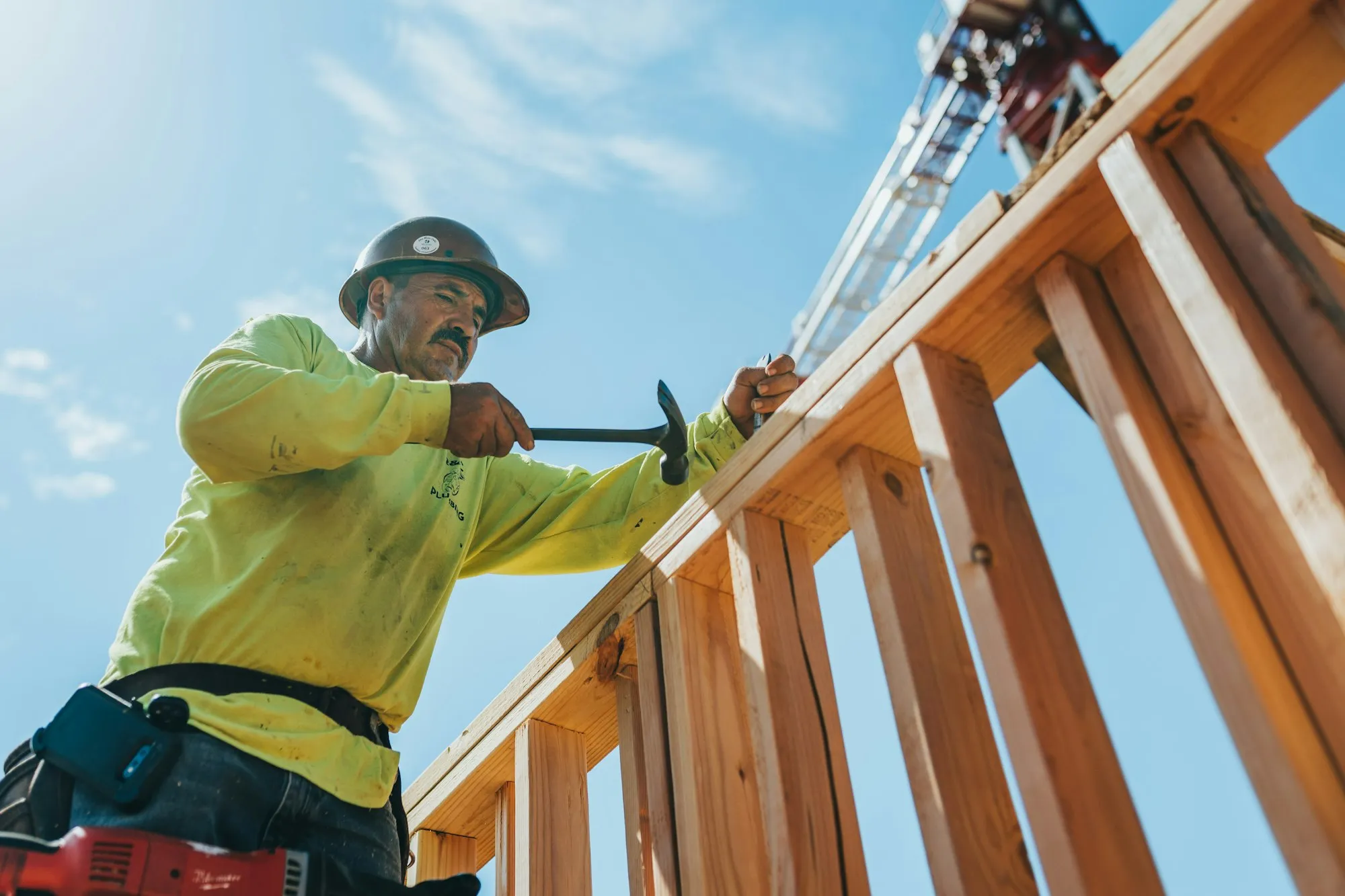
The last column was set on a Tuesday, in a downpour the foreman had been waiting six weeks for. By then the building had absorbed 7,400 tonnes of timber from a single forest in Tasmania — a logistical commitment that, in conventional structural language, made no sense at all.
That was, of course, the point. Foster's Singapore tower exists at the boundary where embodied-carbon math, supertall structural engineering, and one specific piece of forestry policy collide. Each pulled the project sideways. The result is a building that quietly redefines what 'structure' means in the next decade of high-rise construction — and it hides nothing.
The math came first. A conventional steel-frame supertall of this footprint commits roughly 11,000 tonnes of CO₂ before a single tenant walks in. The CLT alternative, sourced and engineered in Tasmania and shipped via the Tasman, books less than a third of that — but only if the procurement path holds across an ocean of regulatory friction.
That friction is the real story. The five-year saga of getting a 41-storey timber tower past Singapore's BCA, the BoT's Class-A fire panel, and the lender's structural underwriters reads less like an architectural narrative than a forensic one — a sequence of small concessions, late-night substitutions, and one extraordinary forensic test that no other team had attempted.
We weren't designing a tower. We were auditing the supply chain backwards from a single forest, and asking what kind of building could be made from what was already there.
A.05 By the Numbers
The Industry, Measured.
Four figures from this week's reporting — drawn from CDN's own coverage and verified against industry sources.
- 01 Cement plants worldwide producing low-clinker blends 0 PLANTS · 2026 EST.
- 02 Embodied-carbon reduction, 2026 office towers vs. 2018 0% % Y / Y
- 03 New U.S. construction-trade apprenticeships filed YTD 0 ENROLLMENTS · YTD
- 04 Cubic metres of CLT mass-timber framing shipped Q1 0 M³ · Q1 2026

A.06 · Daily Dispatch · 06:00 EDT
The Daily Dispatch.
Six hand-edited stories from the construction industry, in your inbox by 06:00 each weekday. No tracking pixels, no syndicated fluff. Free, plain-text option, cancel in two clicks.