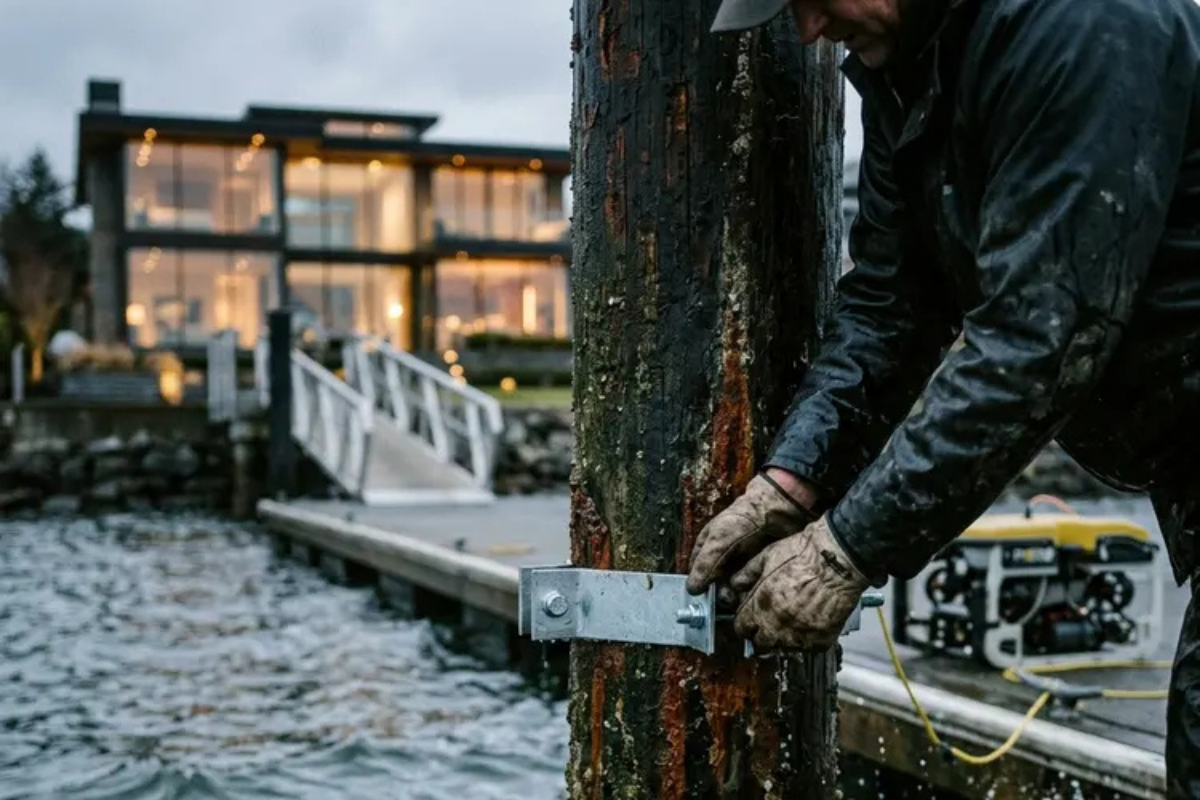
A contractor I know spent $47,000 replacing corroded tie rods on a waterfront deck. Damage that was completely invisible from above. The homeowner had no idea anything was wrong until the structure failed inspection during a sale.
This is the reality beneath the surface of today’s waterfront market. Turnkey listings flood the market with private beach access, renovated systems, indoor pools, and smart home features. Properties for buyers who want luxury without hassle.
But beneath the granite countertops and hurricane-impact glass, waterfront development has become the construction industry’s highest-stakes gamble.
The Hidden Costs Nobody Talks About
When you see a waterfront listing advertising a new septic system, artesian well, and roof replacement, you’re looking at preventive maintenance that goes beyond typical home updates.
A 2002 federal study estimated corrosion costs U.S. infrastructure $276 billion annually (in 1998 dollars), with marine environments ranking among the highest-risk categories.
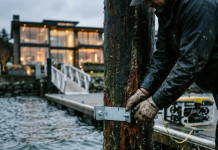
The saltwater environment attacks everything: tie rods, anchors, pile reinforcements. Without annual certified diver inspections, critical structural damage remains invisible until it becomes catastrophic.
You can’t see what’s happening below the waterline.
Turnkey properties command premium prices. Sellers who invested in proper maintenance and modern systems are protecting themselves from liability. Buyers who understand this pay for that peace of mind.
Regulatory Complexity Is Accelerating
Builders spend months navigating permits for waterfront projects.
Local, state, and federal regulations all govern waterfront development. Environmental impact studies assess ecosystem effects. California’s SB 272 requires all coastal governments to develop sea level rise plans by January 1, 2034, fundamentally changing how coastal construction gets permitted and designed.
This isn’t just California. It’s a preview of what’s coming nationwide.
Permits can take months to process, delaying construction and driving up holding costs. You need experienced builders who know how to navigate this regulatory maze.
The barrier to entry for waterfront development keeps rising.
Every waterfront renovation now requires compliance measures that protect investments from evolving building codes and climate resilience requirements. New HVAC systems, backup generators, elevated utilities. These aren’t luxury upgrades. They’re insurance against obsolescence.
The Safety Equation Has Changed
Construction projects on or near water rank among the most hazardous in the industry.
Workers face a unique combination of risks: falls, drowning, electrical hazards, structural instability. Safety planning becomes critical for waterfront projects in ways that standard residential construction never demands.
This impacts your costs and timeline.
Insurance premiums for waterfront construction run higher. Specialized equipment costs more. You need contractors with marine construction experience, not general residential builders.
The skill gap is real.
Listings emphasizing “major upgrades” and “modern systems” represent work performed by contractors who understood these complexities. The alternative is deferred maintenance that compounds into structural failure.
Climate Reality Is Rewriting the Rulebook
Global mean sea level rise has more than doubled, from 1.4 mm per year throughout most of the 20th century to 3.6 mm per year from 2006 to 2015. Recent data shows the rate hit 4.5 mm per year in 2023. U.S. coastlines are projected to rise 10 to 12 inches by 2050, enough to fundamentally alter flood zones and insurance requirements.
The acceleration matters.
For property owners, this means accelerating shoreline erosion, increased flooding, and heightened storm surge risks. The waterfront you buy today will look different in a decade.
Engineers are adopting resilient building strategies and coastal modeling software to account for this reality.
Modern waterfront construction incorporates flood mitigation measures that weren’t standard five years ago. Building codes evolve based on climate data, and waterfront properties face the most aggressive requirements.
Technology Is Creating a Two-Tier Market
Technology is rewriting marine engineering.
Advanced materials, robotics, and sustainable practices create structures that last longer and cause less environmental disruption. Autonomous Underwater Vehicles handle tasks previously too dangerous for human divers, including underwater concrete pouring and structural monitoring.
This creates a divide.
Properties built or renovated with these technologies will appreciate differently than older waterfront homes. Turnkey listings with smart home systems and modern materials represent one tier. Older properties without these upgrades represent another.
Buyer preferences skew toward turnkey homes with the latest features.
This has spurred speculative building and renovations in waterfront markets. Newly built or upgraded homes are setting price records, lifting the price ceiling for everyone.
But not every waterfront property can be economically upgraded to meet these standards. Some locations face such severe climate exposure that investment in improvements doesn’t make financial sense.
What This Means for Construction Professionals
Three opportunities emerge for construction professionals willing to adapt:
Specialization pays premium rates.
Contractors who develop expertise in marine construction, climate-resilient building practices, and regulatory navigation command higher fees. The knowledge barrier protects your margins.
Start by getting certified in marine construction techniques. Partner with structural engineers who specialize in coastal projects. Build relationships with the inspectors and permitting officials who control waterfront approvals.
Renovation expertise is more valuable than new construction.
Waterfront properties needing updates outnumber available buildable lots. Knowing how to modernize existing structures while maintaining character and meeting new codes creates sustained demand.
Focus on mastering flood mitigation retrofits, foundation reinforcement, and corrosion-resistant material specifications. These skills apply to every aging waterfront property in your market.
Advisory services matter as much as construction services.
Clients need help understanding which waterfront properties represent sound investments and which carry unacceptable risk. Your ability to assess structural integrity, climate exposure, and regulatory compliance becomes a distinct service offering.
Offer pre-purchase consultations where you evaluate a property’s true condition and estimate the cost to bring it to modern standards. Charge for this expertise separately from construction bids.
The Ticking Time Bomb Isn’t What You Think
The time bomb isn’t waterfront development itself.
It’s the gap between what property owners assume about their waterfront investments and the actual maintenance, regulatory, and climate challenges these properties face.
Buyers see private beach access and updated kitchens. They don’t see the annual diver inspections, evolving flood insurance requirements, or accelerating erosion patterns.
Builders see project opportunities. They don’t always account for extended permit timelines, specialized labor costs, or liability exposure from inadequate marine construction practices.
The market is sorting itself out.
Properties with proper maintenance, modern systems, and climate-resilient features will hold value. Properties that deferred maintenance or ignored evolving building standards will face difficulty finding buyers willing to assume that risk.
Listings emphasizing turnkey status and recent renovations aren’t just marketing. They’re signals about which properties have been properly maintained and which represent deferred problem-solving for the next owner.
Moving Forward
Waterfront development will continue attracting investment. The appeal of water access doesn’t diminish.
But the professional standards required to execute these projects successfully keep rising. The regulatory environment keeps tightening. Climate factors keep accelerating.
The waterfront market rewards expertise and punishes assumptions. Contractors who understand the full scope of marine construction challenges (regulatory, environmental, structural, and financial) will dominate this segment.
Turnkey properties with modern systems, climate-resilient features, and proper maintenance documentation represent the new baseline. Everything else is a renovation waiting to happen.
The question isn’t whether waterfront development is risky. It’s whether you have the expertise to manage that risk profitably. Build it now, or watch someone else capture the premium rates this specialization commands.