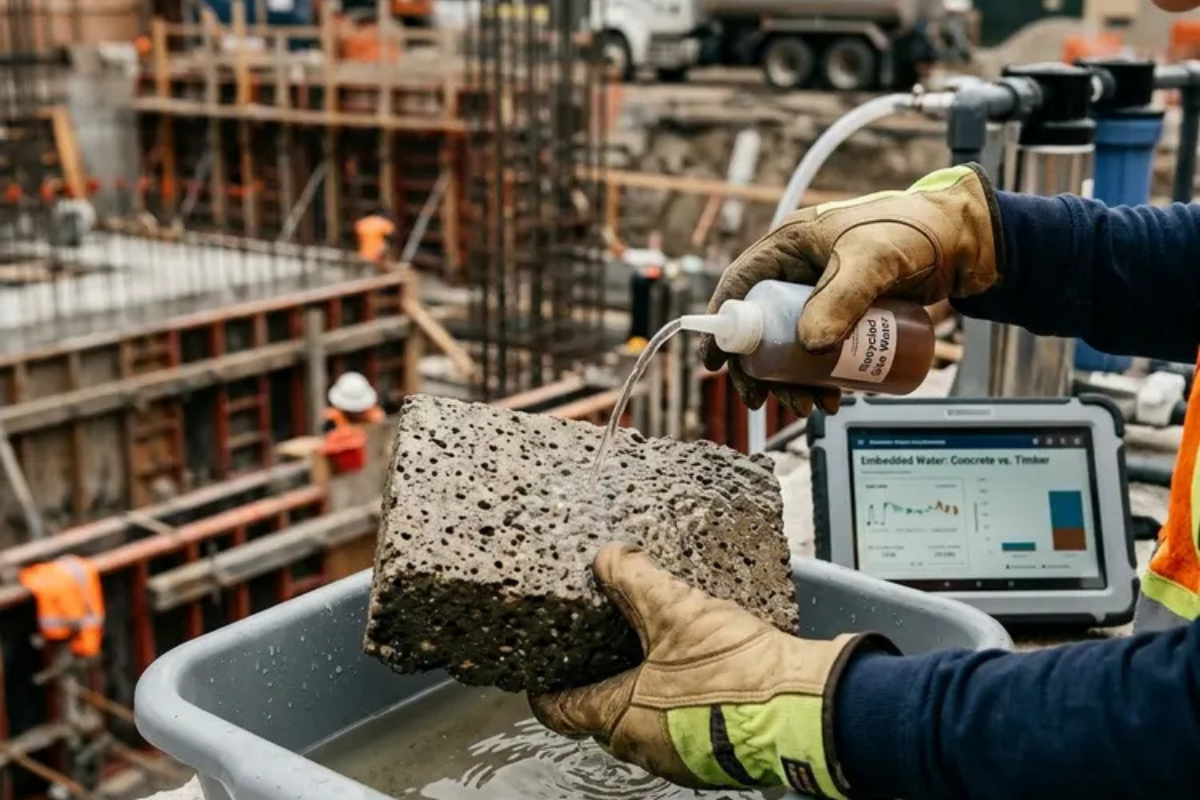
The construction industry obsesses over carbon footprints and green building certifications. Meanwhile, a resource crisis is building that could halt projects faster than any supply chain disruption: water.
I’m talking about the water footprint embedded in your materials: concrete, steel, cement.
The Numbers That Don’t Add Up
A standard 2,000 square meter residential building consumes 24 million liters of water throughout construction. This includes direct use plus embedded water in materials.
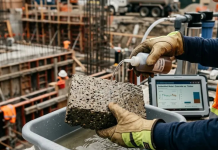
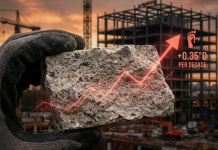
Concrete production accounts for 9% of global industrial water withdrawals. One cubic meter requires 150 to 200 liters. With 190 cubic meters poured every second worldwide, consumption is colossal.
Construction accounts for 15% of global freshwater use, one of the largest consumers on the planet.
The supply is running out.
The 2030 Deadline You’re Not Tracking
Experts project a 40% gap between supply and demand for clean water worldwide by 2030.
Two billion people live in countries experiencing high water stress. Water costs drive up project costs.
In 2021, a drought in Taiwan stopped semiconductor manufacturing. Major chip manufacturing hubs reduced water consumption by 15 percent. The global supply chain nearly collapsed.
Water scarcity will stop or delay infrastructure projects, triggering loss-of-profit claims. Your concrete supplier won’t be able to fulfill orders.
The Material Choices That Multiply the Problem
Not all building materials carry the same water debt.
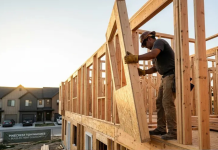
Concrete-heavy projects like skyscrapers and highways have a higher water footprint than those using wood or modular prefabrication. Timber buildings have the lowest water footprint due to minimal embedded and direct water use.
Steel and cement consume the most water in construction. Every specification is a water decision.
The design phase determines 80% of a project’s environmental impact, including water. Material specifications today lock in water consumption that might not be available tomorrow.
What the Industry Is Actually Doing About It
Leading material companies target a 33% reduction in freshwater withdrawal by 2030, shifting to industrial symbiosis models where one industry’s wastewater becomes another’s resource.
What’s working:
Concrete additives that reduce water requirements. Green concrete needs less water and adoption is growing.
Non-potable water systems that use recycled or gray water for non-drinking processes. Pilot projects save 850,000 gallons monthly.
Alliance for Water Stewardship standards that provide measurable benchmarks for corporate water risk.
The $666 Billion Infrastructure Reality
GlobalData tracks approximately $666 billion of water and sewage projects globally. Nearly three-quarters of that value is already in pre-execution or execution phases.
The 40% supply-demand gap by 2030 is driving investment.
Projects that ignore water management face delays and cost overruns. Projects that integrate water efficiency gain a competitive advantage.
The Gender Dimension Nobody Talks About
World Water Day highlighted what construction overlooks: the gendered impacts of water insecurity.
UN Women is pushing for rights-based, gender-responsive water governance centered on women’s leadership. Water scarcity doesn’t affect everyone equally.
Where water becomes scarce, women and girls bear the collection burden: hours spent walking to distant sources. When construction strains local supplies, impacts ripple through communities without appearing in budgets.
Responsible water management means understanding social impacts and engaging local communities.
What You Can Do Tomorrow
Audit your material specifications. Calculate the embedded water in your typical projects. You can’t manage what you don’t measure.
Prioritize timber and modular construction where appropriate. A timber building uses 60-70% less water than a concrete equivalent.
Implement water recycling systems. Payback periods shrink as water costs rise.
Specify green concrete and water-reducing additives. These can cut mixing water requirements by 20-30%.
Build a water risk assessment into your project planning. Factor in regional water stress, seasonal availability, and future projections.
Engage with local water authorities early in planning. Competition for water allocations will intensify.
The Question That Started This
Is concrete’s water footprint the construction industry’s biggest lie?
No. It’s an omission.
The industry hasn’t hidden concrete’s water footprint. It’s been ignored.
Lies require intent. This is a blind spot. Carbon got attention while water became the growth constraint.
The blind spot is closing. The 40% gap by 2030 guarantees it. Water will force its way into project conversations, material decisions, and site plans.
The choice is yours.
The Wetland Connection
WWF warned this World Water Day: wetlands are disappearing, freshwater wildlife is collapsing from pollution, invasive species, over-harvesting, and the climate crisis.
Construction activity contributes to this through runoff, sedimentation, and disruption of natural water systems. Every project that disturbs soil or changes drainage patterns affects local water ecosystems.
Healthy wetlands provide filtration, flood control, and groundwater recharge. Construction that degrades these systems undermines the water security that future projects need.
Protecting wetlands and natural water systems is a business continuity issue for construction. You can’t build without water.
Looking Forward
One path: escalating costs, delays, competition for shrinking supplies. Stopped projects. Unfilled orders. Community pushback.
Another path: water-smart design as standard practice. Lower-footprint materials are gaining market share. Responsible stewardship wins approvals.
The industry that built the modern world can adapt. Will firms lead the adaptation or be forced by crisis?
The data is clear. The timeline is tight.
Now choose your path.