Bar Harbor estates, Ottawa single-family sales, Vancouver townhouses, Portsmouth luxury approvals the April 17, 2026, real estate roundup looks like routine market data.
It’s not. These transactions reveal how luxury construction techniques will become standard residential requirements within 18 months.
The luxury market doesn’t just set price benchmarks. It tests construction methods, material specifications, and design integration that mid-market buyers will demand next year. Miss these signals, and you’ll be retrofitting capabilities your competitors built from the start.
The Invisible Technology Standard
Portsmouth’s approved colonial style homes near North Mill Pond will sell for over $2 million. That price point demands smart home integration.
The most sophisticated smart homes hide the technology completely. Smart home systems now integrate seamlessly into interior spaces without disrupting the aesthetic. The best systems are invisible, built into the architecture rather than added on top.
Mid-market buyers expect technology that disappears. Conduit planning, junction box placement, and wall cavity design must accommodate invisible integration from the start.
You can’t retrofit invisibility.
Biophilic Design Becomes Non-Negotiable
The Bar Harbor listings emphasize spring-ready outdoor features and extensive gardens. This is marketing language for something more fundamental.
Biophilic design moved from buzzword to building standard in less than a decade. Custom homeowners now prioritize natural light, organic textures, and seamless transitions between indoor and outdoor living.
This requires expansive window systems, integrated greenery, and thoughtful architectural planning.
For architects and engineers, this creates structural challenges. Larger glass spans require different load calculations. Indoor plantings demand irrigation systems and drainage planning. Transitions between spaces need weather sealing that maintains the seamless aesthetic.
The Maine market proves this. With nearly 3,500 miles of coastline, buyers gain year-round access to natural beauty, walkable coastal towns, and recreation. Legacy Properties Sotheby’s International Realty surpassed $1 billion in annual sales within the Maine market.
That volume reflects demand for homes that integrate with their environment.
The Material Longevity Calculation
Luxury buyers in 2026 value thoughtful design and advanced functionality. The shift is toward “quiet luxury.”
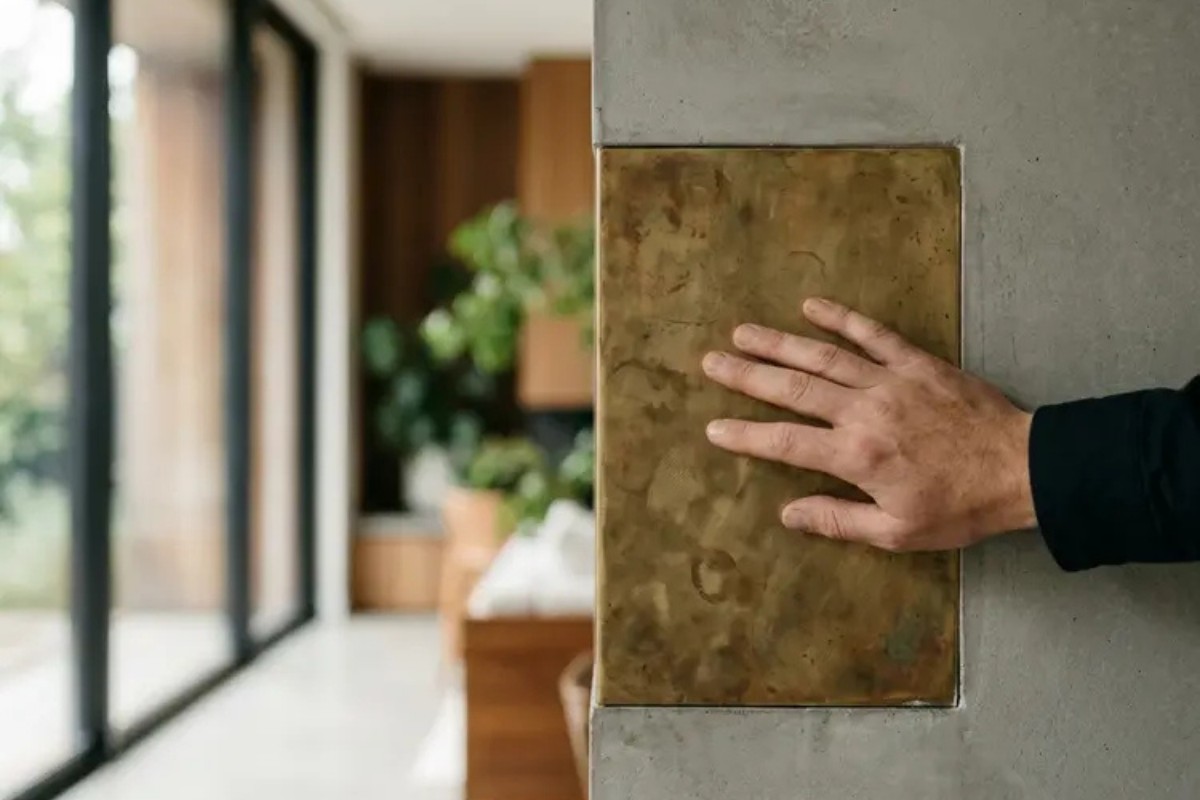
Wealth now expresses itself through interior design differently. Unlacquered brass hardware develops patina over years. Materials age instead of resisting aging.
This changes material specifications. Specify materials based on how they age, not just how they look at installation. Document patina development timelines for clients. Build maintenance schedules around enhancement rather than restoration.
Builders need to understand oxidation rates, patina development, and how materials weather over decades. The finish you apply today determines the aesthetic fifteen years from now.
This isn’t a luxury market quirk. It’s a preview of sustainability requirements coming to all residential construction. Materials that improve with age reduce replacement cycles and waste.
What Ottawa’s $178 Per Square Foot Tells You
The single-story home at 1131 Briar Court sold for $275,000 on April 1. That’s about $178 per square foot.
Meanwhile, Portsmouth’s approved colonials will sell for over $2 million.
The gap between these price points is closing faster than national data suggests. Single-family authorizations in January 2026 were at a rate of 873,000, just 0.9 percent below December. Privately owned housing starts in January were at a seasonally adjusted annual rate of 1,487,000, which is 7.2 percent above the revised December estimate.
That spread between authorizations and starts reveals builders are moving faster once they get approval. The time between permit and groundbreaking is shrinking.
This compression means construction methods from luxury builds filter down to standard residential faster than before. Techniques you see in Portsmouth’s $2 million colonials will appear in Ottawa’s $275,000 single family homes within 18 months.
Vancouver’s Supply Signal
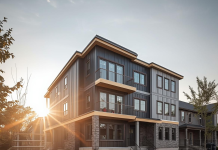
The renovated 1990s townhouse in Vancouver’s 18-unit complex drew four offers after a preview and weekend open house.
Townhouses remain the tightest segment with the lowest inventory-to-sales ratio. New supply along the Cambie and Broadway corridors gets absorbed quickly. The average selling price of a townhouse in Vancouver decreased by 5.7% year over year to $1,047,100 in March.
Yet townhouse values will likely remain stable with potential for modest price growth in 2026. The limited housing supply of this popular “missing middle” housing type will support its value.
This creates an opportunity for builders who understand density without high-rise construction. Townhouses require different engineering than single-family homes, but avoid the complexity of multi-story residential towers.
The missing middle is missing because most builders focus on either single-family or large multi-family projects. The gap represents unmet demand.
What This Means For Your Next Project
Real estate roundups track transactions. For construction professionals, they reveal where your specs need to evolve.
Five shifts demand immediate attention: invisible technology integration, biophilic design as standard practice, materials specified for aging, compressed permit to build timelines, and missing middle density opportunities.
Review your current specs against these trends. Update conduit planning for invisible tech integration. Source materials with documented aging characteristics. Study townhouse engineering if you’ve focused exclusively on single-family or high-rise.
Portsmouth’s $2 million colonials use construction methods that Ottawa’s $275,000 homes will require in 18 months. The luxury market isn’t aspirational; it’s a timeline. Your next bid either accounts for these shifts or loses to a competitor who planned.